Free Beginner Quilted Crochet Throw Blanket Pattern
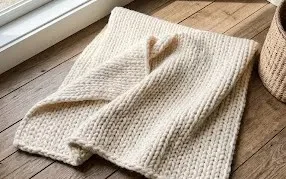
Raised, cushioned squares give this crochet throw a soft quilted look, while the fabric stays flexible enough to drape over a sofa or the end of a bed. It is a satisfying project for anyone who enjoys seeing texture build row by row, and the finished blanket makes a thoughtful gift for a new home or a cozy birthday surprise. Beginners can take their time with the repeating stitch pattern, while experienced crocheters can settle into its steady rhythm. In this pattern, you’ll learn how the stitch technique creates the billowy texture and how to keep the rows even as the blanket grows. You’ll also find practical guidance for choosing yarn, checking your size, and caring for the finished throw.
Why You’ll Love This Pattern
Worsted-weight cotton makes this washcloth sturdy, absorbent, and comfortable to hold while you scrub dishes or wash your face. The simple single-crochet rows give the fabric a firm texture without a complicated stitch repeat.
- The straight rows are manageable for a first project, and the stitch count stays the same throughout.
- One washcloth uses a modest amount of yarn, so it can help use up leftover cotton from other kitchen projects.
- Its practical size makes it useful at home or easy to pair with a bar of handmade soap as a small gift.
- The repetitive stitching is easy to pick up again after a break; a stitch marker can help you keep track of the first stitch in each row.
The rows were easy to follow, and the finished cloth feels thick enough for dishes without being stiff.
— Nina, confident beginner
Pattern Overview & Skill Level
This beginner-friendly washcloth is worked flat in single crochet. You will make a starting chain, work back and forth in rows, then weave in the two yarn ends. The pattern has no shaping or seaming.
- Skill Level: Beginner
- Approximate Time: 2–3 hours, depending on your pace and tension
- Construction: A flat rectangle worked in rows of single crochet
- Finished Dimensions & Sizing: About 7.5 inches wide by 6.5 inches tall after washing and drying flat. Small differences are normal because hand tension varies.
Materials & Supplies Needed
- Yarn: About 70 yards of worsted-weight (#4) 100% cotton yarn. Use one color, or change colors between rows; changing colors will require extra ends to weave in.
- Hook Size: 5.0 mm / H-8 crochet hook. If your fabric feels loose and floppy, try a 4.5 mm hook; if it feels too firm, try a 5.5 mm hook.
- Notions: Tapestry needle for finishing and scissors. A stitch marker is optional but helpful for marking the first stitch of each row.
- Substitutions: A similar-weight cotton or cotton-linen yarn can work. Check the yarn label for care advice, and expect a different texture or finished size if the substitute is thicker, thinner, or more elastic. Avoid delicate yarns that are not intended for frequent washing.
For a useful gauge check, make a small swatch of single crochet. Aim for about 16 stitches and 18 rows in a 4-inch square, measured without stretching. The finished cloth is a practical household item, so a small gauge difference is fine; a large one will change the dimensions and yarn use.
Stitch Guide & Abbreviations (US Terms)
- ch: Chain. Yarn over and pull through the loop on the hook.
- sc: Single crochet. Insert the hook in the stitch, yarn over and pull up a loop, then yarn over and pull through both loops.
- st: Stitch.
- sts: Stitches.
- rep: Repeat.
The turning chain does not count as a stitch in this pattern. Work the first single crochet of each row into the first stitch, not into the turning chain. That keeps the edges straight and maintains 30 stitches across.
Step-by-Step Pattern Instructions
Washcloth
With the 5.0 mm hook and cotton yarn, make a foundation chain that is not too tight. If your chain edge is much firmer than your later rows, redo it with a looser hand or use a hook one size larger for the chain.
- Row 1: Ch 31. Sc in the second ch from the hook and in each ch across. Turn. (30 sts)
- Rows 2–30: Ch 1. Sc in each st across, working into the first stitch after the turning chain. Turn. (30 sts each row)
After Row 30, check that the rectangle lies flat. If the sides lean inward or outward, count the stitches in several rows. A skipped first stitch or an extra stitch in the last stitch can gradually change the shape.
Finishing
Cut the yarn, leaving a tail of about 6 inches. Pull the tail through the final loop to secure it. Thread the tail onto a tapestry needle and weave it through several stitches along the edge, then change direction and weave it through a few more stitches. Trim close without cutting into the fabric. Repeat with the starting tail.
Wash the cloth before first use if the yarn label allows it. Cotton can relax after washing, so smooth the edges and corners while the fabric is damp. Let it dry completely before folding or storing.
Care & Washing Instructions
- Wash cotton in warm water, up to 40°C (104°F), with similar colors; follow the yarn label if it gives different instructions.
- Dry flat when possible, smoothing the corners and edges while damp; avoid high heat if the yarn label warns that it may shrink.
- Reshape the cloth by hand after washing. Blocking is usually unnecessary, but a gentle steam or damp shaping can help if the edges curl.
Pro Tips & Common Mistakes to Avoid
- Keep the edges even: Work the first single crochet into the first stitch, and remember that the turning chain does not count. Tight turning chains can pull the sides inward, so keep them relaxed.
- Count as you go: Check for 30 stitches at the end of each row, especially during the first few rows. For this flat pattern, place a marker in the first stitch of a row if you tend to miss the edge stitch.
- Hide ends securely: Weave each tail through several stitches, then reverse direction. Cotton washcloths are washed often, so a short, single pass can come loose.
- Change size carefully: For a wider cloth, add chains to the starting chain; each extra chain adds one stitch. For a taller cloth, work more rows. Both changes use more yarn, and a larger hook or thicker yarn also makes a larger, looser cloth.
Frequently Asked Questions
Can I use acrylic yarn instead of cotton?
You can, but acrylic is generally less absorbent than cotton and may feel different when wet. Check its care label and test a small swatch before making the cloth, since washing and drying behavior varies by yarn.
How can I make the washcloth larger or smaller?
For width, change the starting chain, keeping one fewer chain than the desired stitch count because the first single crochet goes into the second chain from the hook. For height, work fewer or more rows. A larger cloth takes more yarn and longer to dry.
Is this pattern suitable for a first crochet project?
Yes. It uses only chains and single crochet, with no shaping or joining. The main challenge is keeping 30 stitches in every row, so count the stitches at the edges as well as across the middle.
May I sell washcloths made from this pattern?
Check the designer’s terms before selling finished items, and follow any credit or selling requirements they provide. You should also describe the yarn and care instructions accurately to your customers.
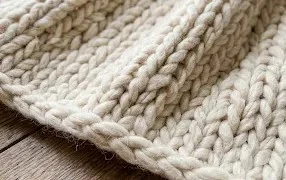
Once the final edge is finished, you’ll have a soft, textured throw with quilt-like squares that feels right at home on a favorite chair or folded at the foot of a bed. Try a calm two-color palette for a subtle checked look, or keep the whole blanket in one shade to let the raised texture stand out. If you make one, share a photo on Pinterest or your social media page; seeing the colors and sizes other crocheters choose is always fun. When you’re ready for another project, explore more free crochet patterns on the blog, including blankets and smaller makes for using up leftover yarn.