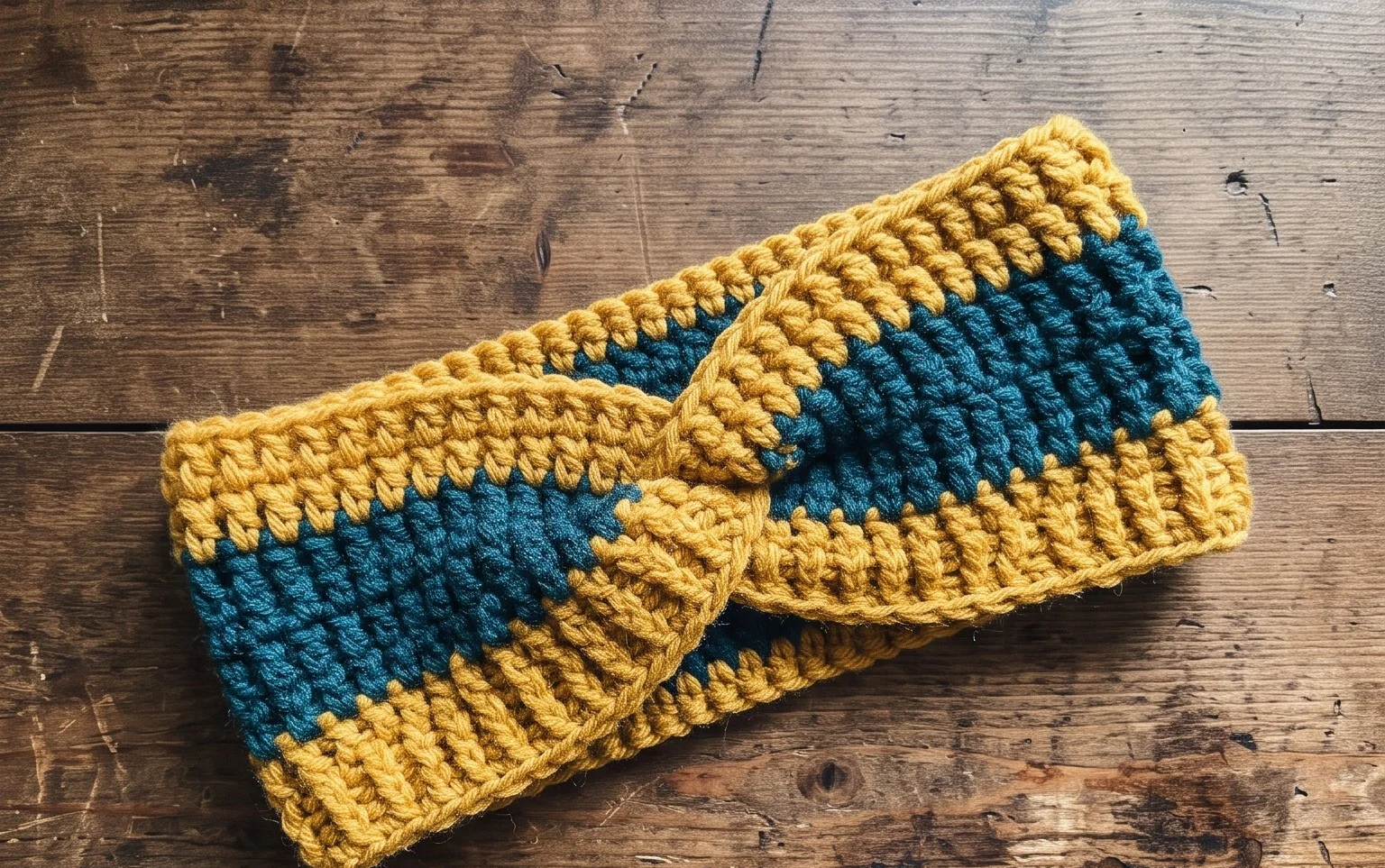
Snow Drops Mittens: Easy Free Crochet Pattern Guide
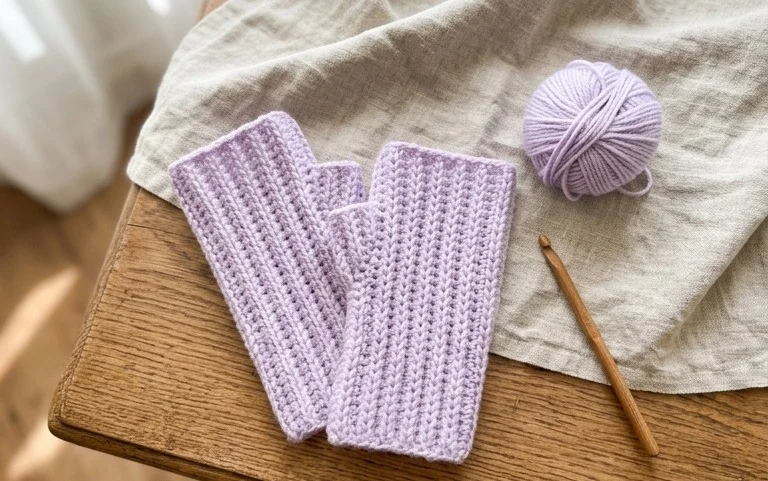
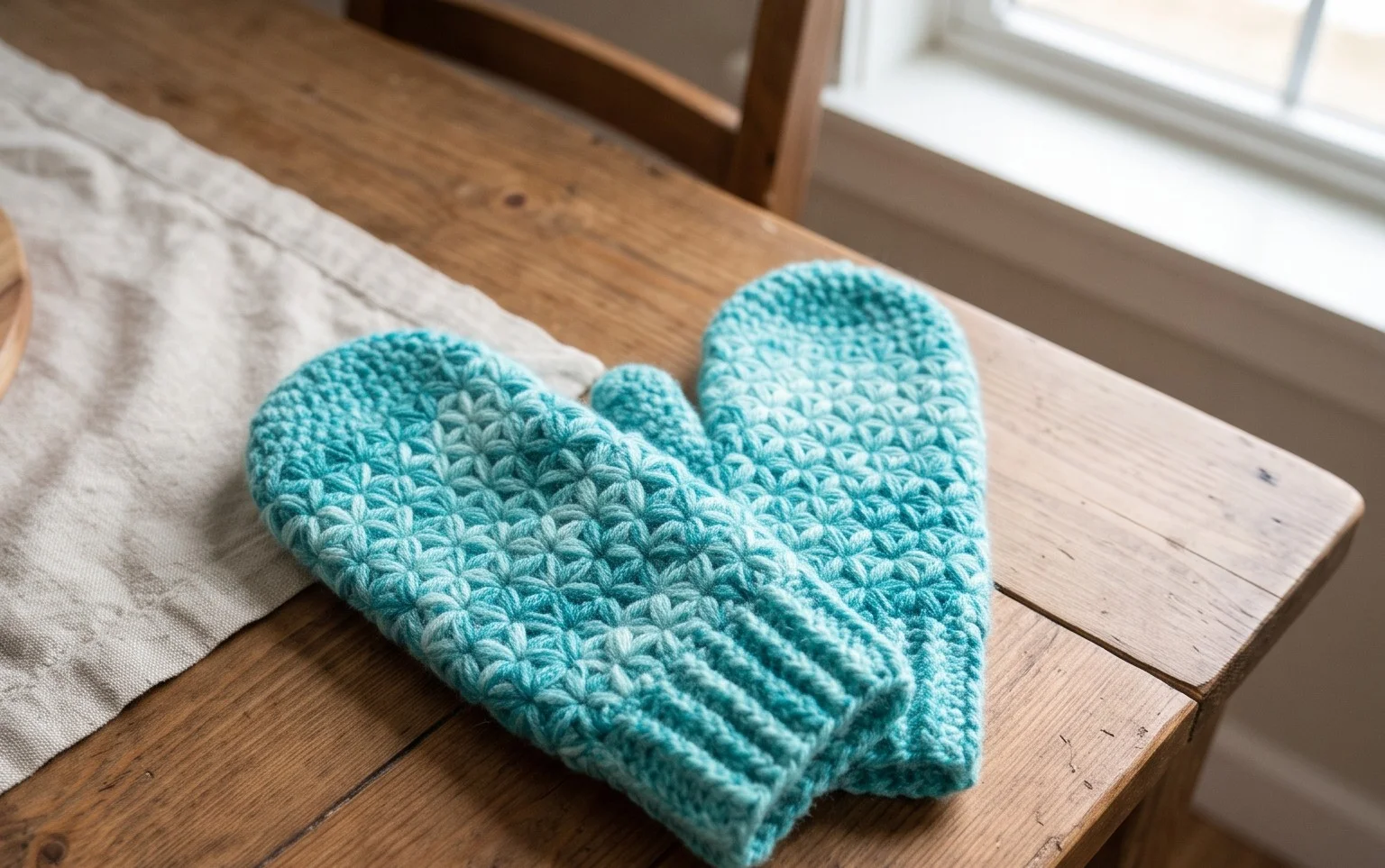
Soft yarn and a raised snowdrop texture give these mittens a cozy look that suits cold walks, errands, and handmade gifts. The pair has the charm of a small winter accessory without requiring a large yarn stash, and the repeating crochet pattern makes steady progress easy to see. New crocheters can use the project to practice keeping their stitches even and following shaping, while more experienced makers can enjoy a relaxing finish between larger projects. In this pattern, you’ll learn how the textured stitches build across the mitten and how the pieces come together for a comfortable fit. Choose a pale shade for a frosty finish or a deeper color that shows less everyday wear.
Why You’ll Love This Pattern
A firm cotton square is handy for wiping counters, washing dishes, or drying a few pieces of produce. This beginner-friendly dishcloth uses simple single crochet stitches in straight rows, so you can focus on keeping the edges even rather than learning a complicated stitch pattern.
The finished cloth measures about 8¼ inches square, a useful size that fits comfortably in your hand. One skein of worsted cotton is enough, and the repeated rows make this a practical project for using a partial skein. Cotton absorbs water well and holds up to regular washing.
Sample crocheter note: I liked being able to work a few rows at a time, and the cotton cloth came out sturdy enough for everyday dishes.
I liked being able to work a few rows at a time, and the cotton cloth came out sturdy enough for everyday dishes.
— Jamie, beginner crocheter
Pattern Overview & Skill Level
- Skill Level: Beginner. You need to chain, single crochet, turn, and count stitches.
- Approximate Time: About 2–3 hours, depending on your pace and tension.
- Construction: A flat rectangle worked back and forth in single crochet rows. The turning chain does not count as a stitch.
- Finished Dimensions & Sizing: About 8¼ × 8¼ inches (21 × 21 cm) after washing and drying flat, using the stated gauge.
Materials & Supplies Needed
- Yarn: About 90 yards (82 m) of worsted-weight (#4) 100% cotton yarn. One color is enough; choose a light or medium shade if you want to see each stitch clearly.
- Hook Size: 4.5 mm / US 7. Use the hook that gives you the gauge, even if that means changing sizes.
- Notions: Tapestry needle for weaving in the two ends, scissors, and a ruler or tape measure. A stitch marker is optional for marking the first stitch of a row.
- Gauge: 16 single crochet stitches and 18 rows measure 4 inches (10 cm) in single crochet, worked flat and unblocked. Check your gauge before starting because cotton does not stretch much to correct an inaccurate size.
- Substitutions: Use another smooth, washable 100% cotton yarn of similar thickness. A thinner yarn or smaller hook makes a smaller, denser cloth; a thicker yarn or larger hook makes a larger cloth and uses more yarn. Avoid fuzzy or delicate fibers for a cloth that will be scrubbed and machine-washed.
Stitch Guide & Abbreviations (US Terms)
- ch = chain.
- sc = single crochet: insert hook into the stitch, yarn over and pull up a loop, yarn over and pull through both loops.
- st / sts = stitch / stitches.
- turn = rotate the work to begin crocheting across the opposite side.
- Gauge = the number of stitches and rows in a measured area. This pattern uses 16 sc and 18 rows per 4 inches.
The turning chain at the start of each row is for height only. Do not work into it or count it as a stitch. Make the first single crochet in the first stitch of the row, which is the stitch directly below the turning chain.
Step-by-Step Pattern Instructions
Dishcloth
Chain 34. The first chain is the turning chain, and the remaining 33 chains create the foundation stitches. Keep the chain loose enough that you can insert the hook comfortably.
- Row 1: Sc in the second ch from the hook and in each ch across. Turn. (33 sts)
- Row 2: Ch 1, sc in each st across. Turn. (33 sts)
- Rows 3–33: Repeat Row 2. At the end of Row 33, do not turn. (33 sts each row)
You will have 33 rows total: the foundation row plus 32 repeated rows. Measure the piece while it is relaxed. If it is much longer or shorter than about 8¼ inches, check that you have the right number of rows and that your gauge is close to the stated measurement.
Finishing
Cut the yarn, leaving a tail of about 6 inches (15 cm), and pull the tail through the final loop to secure it. Thread the tail onto a tapestry needle. Weave it through several stitches on the wrong side, change direction, and weave through a few more stitches so it is less likely to work loose in the wash. Repeat with the starting tail. Trim the ends close without cutting into the fabric.
Wash the cloth before use to remove any leftover manufacturing residue and let it dry flat. Cotton can relax slightly when wet, so smooth the edges and corners into a square as it dries.
Care & Washing Instructions
- Wash cotton dishcloths in warm water, around 40°C (104°F), with regular laundry detergent; follow the yarn label if it gives different instructions.
- Dry flat for the neatest shape, or tumble dry on low if the yarn label permits; high heat can shrink cotton.
- Reshape the corners and edges while damp. Blocking is usually unnecessary, but a light steam treatment can help stubborn ripples; keep the iron from pressing directly on the stitches.
Pro Tips & Common Mistakes to Avoid
- Keep your starting chain relaxed. A tight chain can pull the bottom edge inward even when the rows above it are the correct width. If this happens often, try chaining with a hook one size larger, then switch to the pattern hook for Row 1.
- Count the 33 stitches at the end of every few rows. It is easy to miss the last stitch at the edge, especially when the turning chain sits close to it. A marker in the first stitch can help you spot where the row begins.
- Weave in each tail in more than one direction. Cotton dishcloths get handled and washed often, so a short pass through one row may not hold securely over time.
- To change the size, add or remove foundation chains for width and rows for height. Each extra foundation chain adds about ¼ inch at the stated gauge; each extra row adds about ¼ inch. A larger cloth takes more yarn, while a smaller cloth takes less.
Frequently Asked Questions
Can I use acrylic yarn for this dishcloth?
You can, but acrylic is less absorbent than cotton and may feel less suitable for wiping dishes. For an everyday washcloth, choose a washable cotton yarn with a similar worsted thickness and make a gauge swatch before beginning.
How can I make the dishcloth wider or narrower?
Change the starting chain, keeping in mind that one chain is used to turn and 33 foundation stitches make the stated width. At the pattern gauge, each additional stitch changes the width by about ¼ inch. Add or remove rows to adjust the length.
Is this pattern suitable for a first crochet project?
Yes. It uses only chains and single crochet, with no shaping or joining. Practise a short swatch first if you are new to crochet, then check that each row has 33 stitches so the sides stay straight.
May I sell dishcloths made from this pattern?
Check the pattern designer’s terms before selling finished items, and follow any rules about credit or small-batch sales. If you publish photos or a written listing, describe the item as your handmade work rather than reposting the pattern instructions.
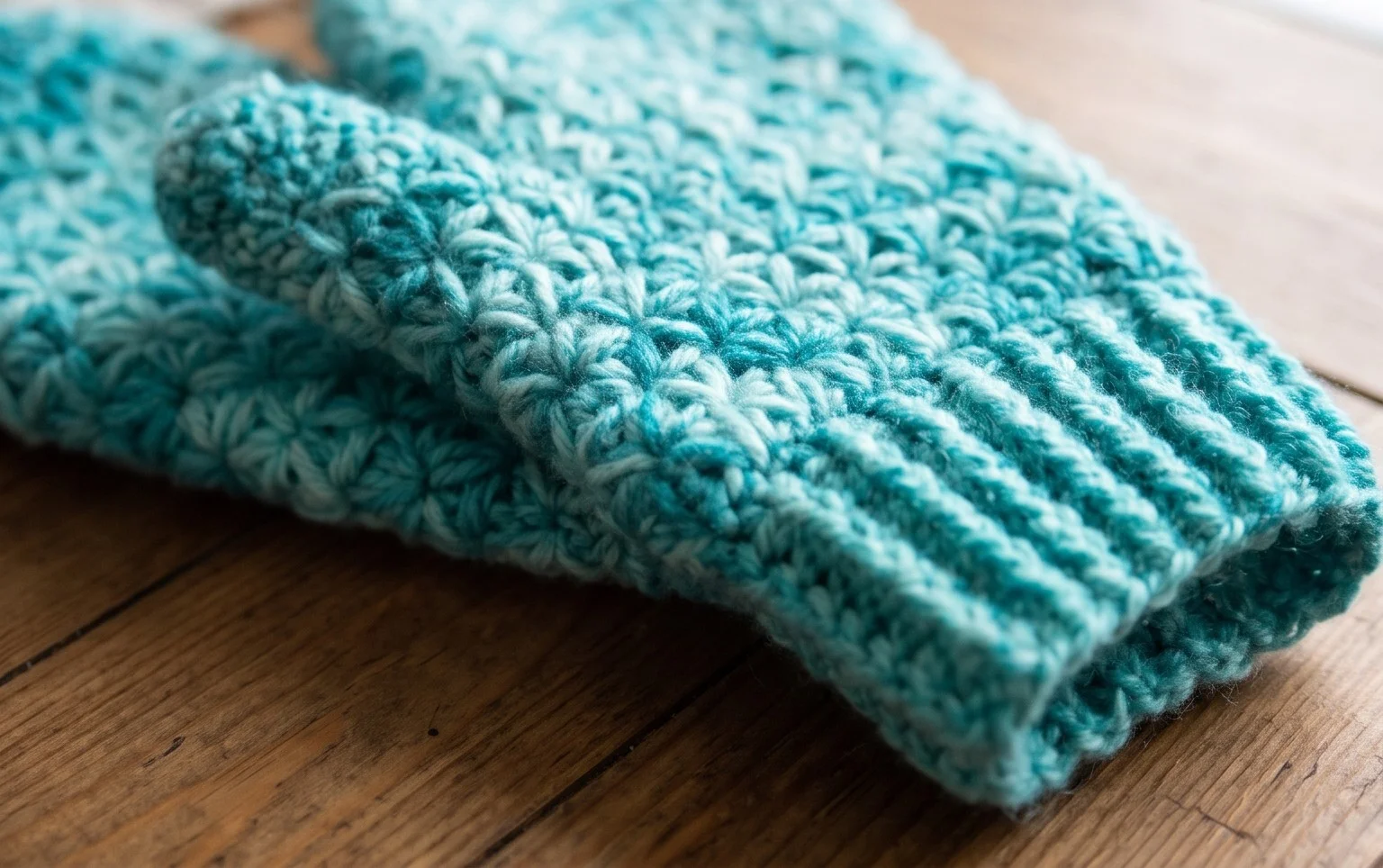
Once the last stitch is finished, you’ll have a warm pair of textured mittens with a handmade look that feels especially nice on a chilly day. For a simple variation, crochet them in a contrasting color, or choose a slightly different yarn shade to make the snowdrop pattern stand out. Check your gauge before changing yarn weight so the mittens keep their intended fit. If you make a pair, share a photo on Pinterest or your favorite social media platform; seeing the colors and finished texture is part of the fun. Then browse the blog for more free crochet patterns to add to your project list.