Soft Crochet Baby Slippers for Snug Little Feet
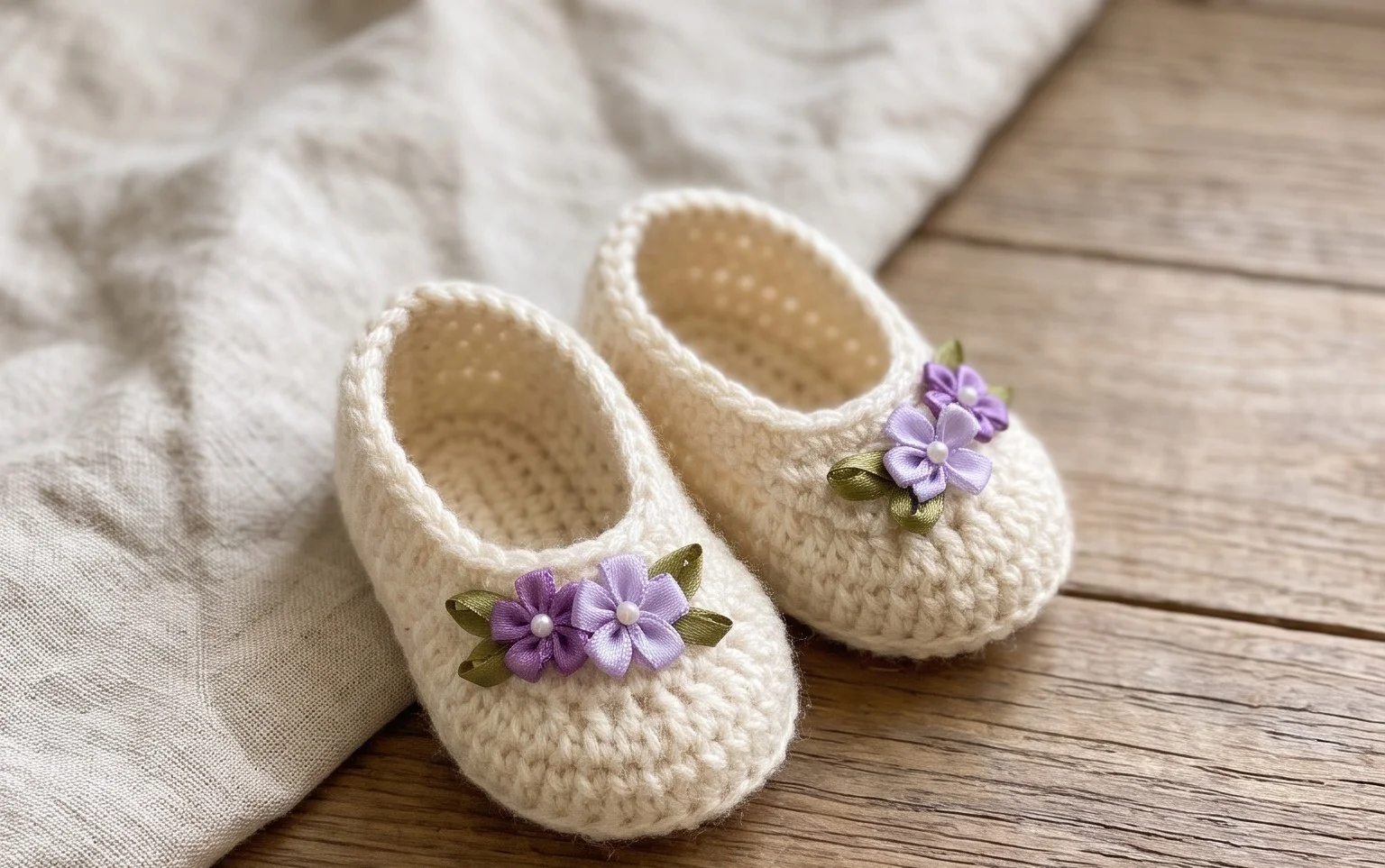
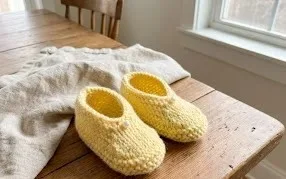
Soft yarn and a snug little shape give these baby slippers a cozy feel for tiny feet. The finished pair is a sweet handmade gift for a baby shower, a useful project for a beginner learning crochet, and a satisfying make for anyone who enjoys small, practical projects. Their simple construction keeps the work manageable, while neat, even stitches help create a comfortable fit. In this pattern, you’ll learn how the pieces come together and how to use the main crochet stitch consistently, with tips for checking size and keeping the edges tidy. Choose a gentle color for a classic pair or use a soft contrast shade for a playful finish.
Why You’ll Love This Pattern
A firm cotton dishcloth is useful at the sink, easy to wash, and small enough to finish in a few relaxed sessions. This beginner-friendly pattern uses single crochet throughout, so you can focus on even edges and consistent tension rather than learning several stitches at once.
The simple rectangle works well with one ball of cotton yarn, and the fabric has enough texture to wipe counters and dishes. Make a set in the same color for a coordinated kitchen, or use leftover cotton for a cheerful mix of cloths.
It also makes a practical handmade gift. Fold one cloth around a bar of soap or pair it with a wooden dish brush. The finished size is easy to adjust by changing the starting chain and number of rows.
The clear row instructions helped me keep the sides straight. I finished mine in an evening, and the cotton feels sturdy without being stiff.
— Nora, home crocheter
Pattern Overview & Skill Level
- Skill Level: Beginner. You need to know how to chain and make a single crochet.
- Approximate Time: 2–3 hours, depending on your pace and how often you stop to check your stitch count.
- Construction: A flat rectangle worked back and forth in rows, with a short chain at the start of each row.
- Finished Dimensions & Sizing: About 6.25 × 5.5 inches (16 × 14 cm) after washing and drying flat. Individual results vary with yarn, hook, and tension.
Materials & Supplies Needed
- Yarn: About 45 yards (41 m) of worsted-weight (#4) 100% cotton yarn. One color is enough; a small amount of a second color can be used for a contrasting finishing edge.
- Hook Size: 5.0 mm / H-8 crochet hook. If your stitches are loose, try a 4.5 mm / 7 hook; if they are tight, try a 5.5 mm / I-9 hook.
- Notions: Tapestry needle for weaving in ends, scissors, and a ruler or tape measure. A locking stitch marker is optional for marking the first stitch of a row.
- Safe substitutions: Choose another machine-washable, worsted-weight cotton yarn. Cotton blends can work, but polyester or acrylic may not absorb water as well. Thicker yarn or a larger hook makes a larger, looser cloth and uses more yarn; finer yarn or a smaller hook produces a smaller, denser cloth.
Gauge: 16 single crochet stitches and 18 rows measure about 4 × 4 inches (10 × 10 cm). Gauge is not essential for a dishcloth, but it helps you estimate the finished dimensions and yarn use. Make a small swatch if you want the cloth to match the stated size.
Stitch Guide & Abbreviations (US Terms)
- ch = chain.
- sc = single crochet: insert the hook into the stitch, yarn over and pull up a loop, yarn over and pull through both loops.
- st / sts = stitch / stitches.
- rep = repeat.
- sl st = slip stitch: insert the hook, yarn over, and pull through the stitch and the loop on the hook.
The turning chain does not count as a stitch in this pattern. After turning, make the first single crochet in the first stitch of the previous row. This keeps both sides straight and makes the count easier to check.
Step-by-Step Pattern Instructions
Dishcloth
With the 5.0 mm hook, make a foundation chain of 26. Keep the chain relaxed; a tight foundation chain can pull the bottom edge inward. The turning chain at the start of each row is ch 1 and does not count as a stitch.
- Row 1: Sc in the second ch from the hook and in each ch across. Turn. (25 sts)
- Row 2: Ch 1, sc in each st across. Turn. (25 sts)
- Rows 3–25: Rep Row 2 for 23 more rows, counting each row as you finish it. (25 sts each row)
After Row 25, the cloth should be close to 6.25 × 5.5 inches, depending on your gauge. If you want it longer, continue repeating Row 2 before fastening off, noting that each extra row adds a little to the finished height.
Finishing
Cut the yarn, leaving a tail of about 6 inches (15 cm). Draw the tail through the loop on your hook and pull gently to secure it. Thread the tail onto a tapestry needle and weave it through several stitches on the wrong side, changing direction once so it is less likely to work loose. Weave in the starting tail the same way, then trim the excess close to the fabric without cutting a stitch.
For a simple edge, work one round of single crochet evenly around the cloth, placing about one stitch in each row-end along the sides and three single crochets in each corner. Keep the edge relaxed so it lies flat. This optional border uses extra yarn and is not included in the finished measurements.
Care & Washing Instructions
- Wash cotton cloths in a machine or by hand with warm water, up to about 40°C (104°F), unless the yarn label gives a lower limit.
- Dry flat or tumble dry on low if the yarn label permits; reshape the corners while the cloth is damp.
- Block lightly by smoothing the cloth to its finished rectangle, then let it dry fully before storing.
Pro Tips & Common Mistakes to Avoid
- Keep the same hand tension from the foundation chain through the last row. If the first edge looks tighter than the rest, use a slightly larger hook for the chain only.
- Count the stitches at the end of every row. Missing the first stitch after turning is a common reason the cloth gradually narrows.
- Use the turning chain only to gain height; do not crochet into it. Weave yarn tails through the back of several stitches rather than tying a bulky knot.
- To change the size, add or subtract chains while keeping the starting chain one stitch longer than the desired stitch count. Each added stitch widens the cloth, and each extra row makes it taller; larger dimensions need more yarn.
Frequently Asked Questions
Can I use a different yarn fiber?
For a dishcloth that needs to absorb water, cotton is the best choice. A cotton-linen or cotton-bamboo blend can also work, though it may drape more or feel softer. Acrylic yarn is less absorbent and may not suit everyday dishwashing as well.
How can I make the cloth larger or smaller?
Change the foundation chain to adjust the width, keeping one fewer single crochet than the number of chains. Repeat or remove rows to adjust the height. Check the fabric as you go because changing the yarn weight or hook size also changes the finished dimensions.
Is this pattern suitable for a first crochet project?
Yes. It uses chains and single crochet in straight rows, with no shaping or joining. Count 25 stitches after each row so you can catch an accidental increase or missed stitch before it affects the edges.
May I sell dishcloths made from this pattern?
You can sell finished items if the designer’s terms allow it. Check the applicable pattern terms before selling, and write your own listing description and product photographs rather than presenting the pattern itself as your work.
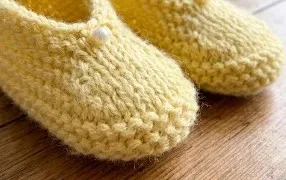
A finished pair of soft baby slippers makes a thoughtful handmade gift, and the small size means you can enjoy seeing the project take shape without a long stretch of work. For a simple variation, use two coordinating yarn colors and change shades at the cuff or around the sole. Check that your yarn feels comfortable against delicate skin, and make a small size adjustment if you need a snugger or roomier fit. Share a photo of your finished pair on Pinterest or your favorite social media account. When you’re ready for another project, explore more free crochet patterns on the blog.