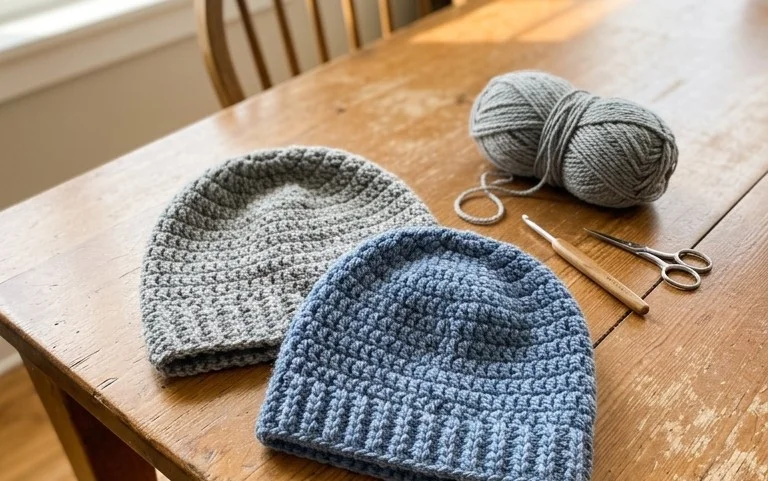
Easy Crochet Twist Headband: Free Beginner Pattern
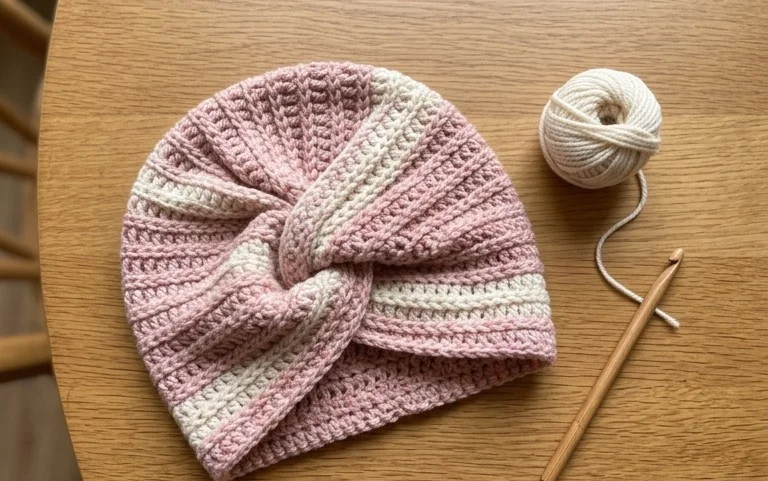
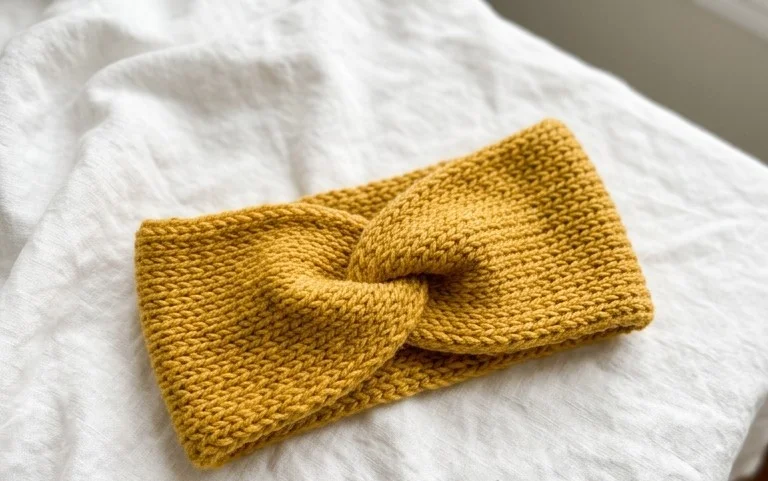
Soft worsted weight cotton keeps this headband snug and warm during cool morning walks. It offers a subtle, squishy texture that feels gentle against the forehead, making it a comfortable accessory for daily wear. Beginners find this project approachable because it relies on standard crochet fundamentals and a rhythmic repetition that builds confidence quickly. You will master the basic twist construction technique by working simple flat rows that gather into a stylish knot at the front. This quick project allows you to practice consistent stitch tension while creating a thoughtful handmade gift for friends who appreciate functional, simple fashion.
Why This Project Is Worth Making
This beginner-friendly project is a classic cotton dishcloth that works up quickly using basic stitches. Because it uses a simple 1-row repeat, it is an excellent choice for practicing consistent tension and learning to keep straight edges. You can finish one cloth in about an hour, making it an ideal gift for housewarmings or a relaxing evening craft. Cotton yarn is durable and absorbent, ensuring your finished piece stands up to repeated daily use in the kitchen.
I managed to complete this dishcloth in just one sitting while watching a movie. The texture is perfect for scrubbing, and the pattern is very easy to memorize.
— Sarah, hobbyist crafter
Pattern Overview & Skill Level
- Skill Level: Beginner
- Approximate Time: 45–60 minutes
- Construction: Worked in flat rows starting from a foundation chain
- Finished Dimensions: Approximately 8 inches by 8 inches
Materials & Supplies Needed
- Yarn: Worsted weight (#4) 100% cotton yarn, approximately 50 yards.
- Hook Size: 5.0 mm (US H-8) crochet hook.
- Notions: Tapestry needle for weaving in ends, sharp scissors.
- Yarn Substitutions: You may use a cotton-acrylic blend for a softer feel, but pure cotton is recommended for maximum absorbency. Using a thicker yarn will increase the finished size and require more yardage.
Stitch Guide & Abbreviations (US Terms)
- ch: Chain
- st(s): Stitch(es)
- sc: Single crochet (Insert hook into stitch, yarn over, pull up a loop, yarn over, pull through both loops on hook).
- dc: Double crochet (Yarn over, insert hook into stitch, yarn over, pull up a loop, yarn over, pull through two loops, yarn over, pull through remaining two loops).
- sl st: Slip stitch
- Turning ch: The chains at the start of a row that do not count as a stitch unless specified.
Step-by-Step Pattern Instructions
Main Dishcloth Body
- Row 1: Ch 31. Sc in second ch from hook and in each ch across. (30 sts)
- Row 2: Ch 1, turn. Sc in first st, dc in next st. Repeat from * to * across until 1 st remains, sc in last st. (30 sts)
- Row 3: Ch 1, turn. Sc in first st, dc in next st. Repeat from * to * across until 1 st remains, sc in last st. (30 sts)
- Rows 4–30: Repeat Row 3 until the piece measures 8 inches long.
- Finishing: Fasten off, leaving a 6-inch tail. Use a tapestry needle to weave the end securely into the fabric to prevent unraveling during washing.
Border (Optional)
If you prefer a cleaner edge, work one round of single crochet evenly around the perimeter of the square. Work 3 sc into each corner to ensure the cloth lays flat without curling.
Care & Washing Instructions
- Machine wash on a warm, gentle cycle using mild detergent.
- Tumble dry on low heat or lay flat on a towel to air dry to maintain the shape of the cotton fibers.
- If the cloth curls after washing, lightly steam or dampen and press flat to reshape the fabric.
Pro Tips & Common Mistakes to Avoid
- Tension Consistency: Since this pattern alternates between single and double crochet, try to maintain a uniform pull on your yarn for both stitches. If your double crochets are significantly looser than your single crochets, the fabric will appear wavy.
- Stitch Counting: Always count your stitches at the end of each row to ensure you have exactly 30. Skipping the last stitch is a common mistake that causes the edges to slant inward, resulting in a trapezoid shape rather than a square.
- Weaving Ends: Hide your yarn tails by running the needle through the center of the stitches rather than along the edge. This keeps the ends locked firmly inside the fabric where they will not poke out after laundering.
- Adjusting Size: To make the cloth wider, increase your foundation chain by any even number of stitches. Keep in mind that a larger cloth will require more than the suggested 50 yards of yarn.
Frequently Asked Questions
Can I use acrylic yarn for this pattern?
While you can use acrylic, it is not recommended for dishcloths because acrylic fibers are hydrophobic and do not absorb water well. 100% cotton or a cotton-linen blend is superior for kitchen tasks.
What if my cloth is turning out like a triangle?
A triangular shape usually indicates that you are accidentally skipping the last stitch of each row. Use a stitch marker in the first and last stitch of every row until you become comfortable identifying the final loop.
How do I make the dishcloth larger?
Simply add more foundation chains in multiples of two. To maintain the square shape, continue working the pattern rows until the length matches the width of your expanded foundation row.
Can I sell items made from this pattern?
Yes, you may sell finished items made from this pattern. Please credit the design to this website and use your own original photographs when listing your items for sale.
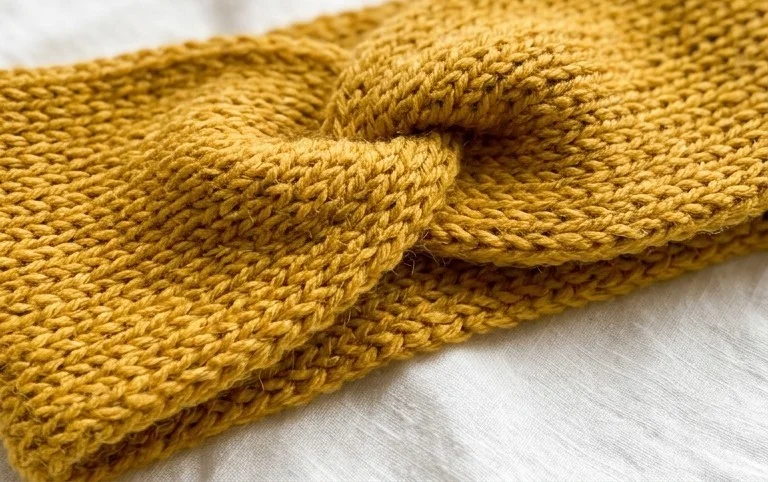
Your finished headband provides a cozy layer that fits comfortably under any winter hat or stands alone as a stylish hair accessory. You might try using a velvet yarn for a plush, formal look or adjust the starting chain length to fit a smaller child size. Post a photo of your creation to social media to show off the finished twist detail. Browse our blog archives for more free patterns that utilize these same basic construction methods for your next afternoon hobby session.