3D Leaf Stitch Beanie Hat: Free Pattern & Video Tutorial
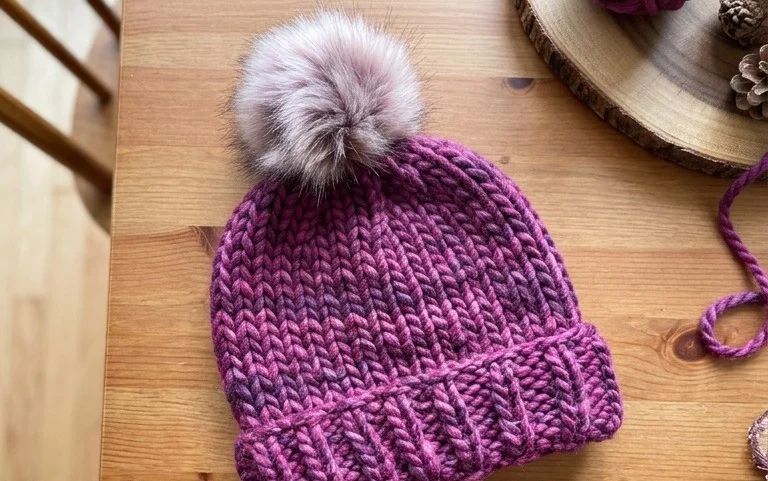
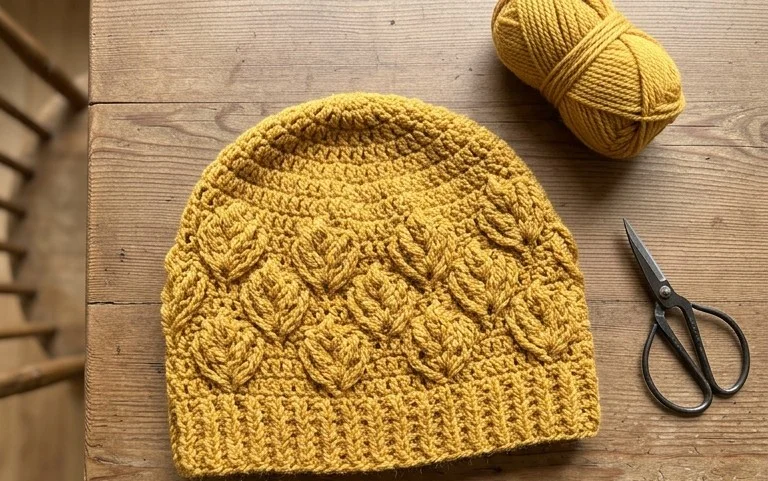
This beanie features raised, sculptural foliage that mimics the look of a forest floor in autumn. The fabric feels dense and warm against the skin, providing a structured fit that keeps its shape throughout the colder months. You will find that creating these textured motifs is surprisingly rhythmic once you master the front post double crochet placement required for the leaf design. Whether you are crafting a gift for a loved one or expanding your own winter wardrobe, this project offers a meditative pace that rewards your effort with a professional finish that stands out from standard hats.
Why You’ll Love This Pattern
The Classic Crochet Dishcloth is the fundamental project every crocheter should start with because it utilizes a simple, repetitive texture that cleans surfaces effectively. This pattern relies on the moss stitch, which creates a durable, woven-like fabric that is less prone to stretching than basic double crochet rows. You will appreciate how quickly it works up, making it a functional item you can finish in a single sitting while watching television. Because it requires less than one skein of standard cotton yarn, it is a practical way to use up leftover partial balls from larger projects. The resulting cloth is absorbent enough for heavy-duty kitchen work and holds up well through frequent cycles in a standard home washing machine.
I managed to finish three of these in one afternoon for a housewarming gift. The stitch pattern is very meditative once you get past the first two rows and the texture is much better at scrubbing than store-bought versions.
— Sarah, home crafter
Pattern Overview & Skill Level
- Skill Level: Beginner
- Approximate Time: 45 to 60 minutes
- Construction: Worked in flat rows using a simple stitch repeat that builds vertically.
- Finished Dimensions: 8 inches by 8 inches square.
Materials & Supplies Needed
- Yarn: Worsted weight #4, 100% cotton, approximately 60 yards. Cotton is preferred for its high absorbency and heat resistance.
- Hook Size: 5.0 mm (H-8).
- Notions: Tapestry needle for weaving in ends, scissors, and optional stitch markers to keep track of row edges.
- Safe yarn substitutions: You may use a cotton-acrylic blend, though this will be slightly less absorbent than 100% cotton. Avoid wool or synthetic acrylics like premium soft acrylics, as they do not handle kitchen heat or heavy scrubbing tasks well.
Stitch Guide & Abbreviations (US Terms)
- ch = chain
- sc = single crochet
- st = stitch
- sk = skip
- moss stitch = a sequence of alternating single crochet stitches and chain spaces.
Step-by-Step Pattern Instructions
This dishcloth is worked from the bottom up in a single piece. The turning chain does not count as a stitch.
Foundation and Main Body
- Row 1: Ch 32. Sc in the 4th ch from the hook, *ch 1, sk 1 ch, sc in the next ch; repeat from * across until the end. Turn. (16 sc, 15 ch-spaces)
- Row 2: Ch 2, sc in the first ch-1 space, *ch 1, sk 1 sc, sc in the next ch-1 space; repeat from * across, ending with a sc in the space created by the turning ch. Turn. (16 sc, 15 ch-spaces)
- Rows 3-30: Repeat Row 2 until the piece measures 8 inches square.
Finishing
After completing Row 30, do not fasten off immediately. Ch 1 and work a round of single crochet evenly around the entire perimeter of the square, placing 3 sc in each corner to ensure the fabric lays flat without curling. Once you reach the starting corner, join with a sl st to the first sc. Cut the yarn, leaving a 6-inch tail, and weave it securely into the back of the work using your tapestry needle.
Care & Washing Instructions
- Machine wash in warm water on a gentle cycle to preserve the fiber structure.
- Tumble dry on low heat or lay the cloth flat on a clean towel to air dry, which prevents uneven shrinking.
- Reshape the cloth by pulling the corners gently while it is still damp to ensure it retains its square dimensions after the wash.
Pro Tips & Common Mistakes to Avoid
Maintaining consistent tension is the most important factor in ensuring your dishcloth stays square rather than becoming trapezoidal. Beginners often pull the turning chain too tight, which causes the edges to draw inward; keep your chain stitches loose. Always place a stitch marker in the first stitch of every row if you find yourself accidentally skipping the final stitch, which is a common cause of narrowing fabric. If you decide to adjust the size, ensure your starting chain is an even number to keep the moss stitch repeat consistent. Increasing the size will require extra yardage, so ensure you have at least 15% more yarn than the pattern calls for if you add more than two inches to the width.
Frequently Asked Questions
Can I use a larger hook to make the cloth work up faster?
Using a larger hook will make the fabric looser and less durable for scrubbing, which makes it less effective as a dishcloth. Stick to the 5.0 mm hook to ensure the tight, dense weave necessary for cleaning.
Is it okay to use acrylic yarn for this project?
Acrylic yarn is not recommended because it is not absorbent and can melt if it comes into contact with hot pots or pans. Always prioritize 100% cotton or high-quality cotton blends for kitchen textiles.
How do I make the dishcloth larger or smaller?
Simply adjust your starting chain to any even number to increase or decrease the width, and add or subtract rows until you reach your desired height. The stitch pattern will remain the same regardless of the dimensions.
Can I sell the dishcloths I make from this pattern?
You are welcome to sell finished items made from this pattern in small quantities. Please provide credit to the designer whenever you list the items for sale in your online shop or at local craft fairs.
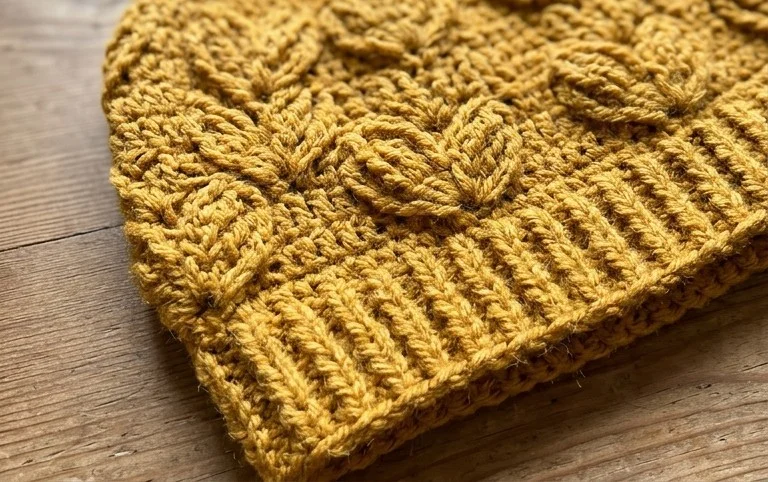
Watching the textured leaves emerge row by row transforms a simple ball of wool into a standout winter accessory. You can modify the aesthetic by using a variegated yarn to give each leaf a distinct color shift or adding a faux fur pompom to the top for extra weight. Once you finish your hat, consider snapping a photo to share your progress with other makers online. Please check out the rest of our collection for more free winter accessory patterns available on the main blog page.