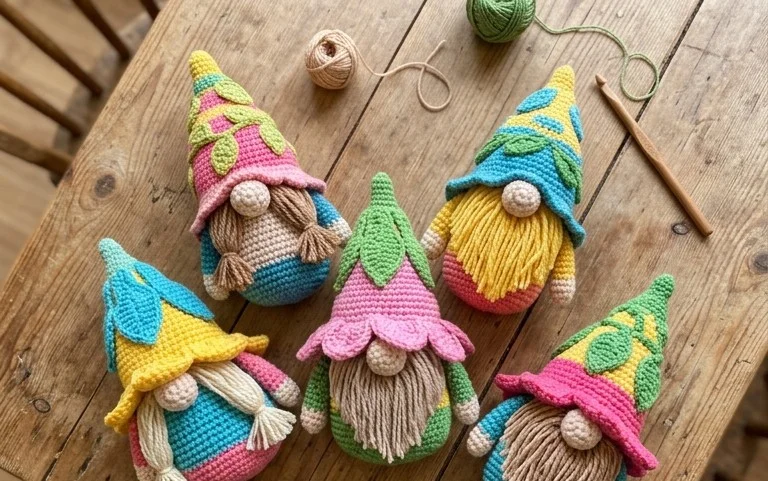
Beginner Jelly Snowflake Mystery Quilt Crochet Pattern
Soft crochet motifs with snowflake details give this quilt a gentle winter look, with joined sections that form a cozy piece for a bed, sofa, or seasonal wall display. The Jelly Snowflake Mystery Quilt is a satisfying project for makers who enjoy watching individual pieces come together into a larger design. Beginners can take it one motif at a time, while gift makers and home decor lovers can enjoy choosing colors that suit the person or room. You’ll learn how to keep your crochet stitches even and join the sections neatly so the finished surface lies flat. The steady rhythm makes progress easy to see, and each new piece reveals a little more of the overall pattern.
Why You’ll Love This Pattern
A firm cotton fabric and a simple single-crochet stitch make this dishcloth useful for everyday kitchen cleanup. The square shape is easy to keep track of, and the repeated rows give you a steady project that works well while watching a show or listening to an audiobook.
This pattern uses one yarn color, so there are no color changes to manage. It is also a practical way to use leftover cotton yarn, as long as you have about 100 yards of a similar thickness. Make a small stack for your own kitchen or give a few as a housewarming gift. Cotton absorbs water and can be machine washed, which makes the finished cloth handy for regular use.
The rows were easy to count, and the cotton made a sturdy cloth that washed well. I finished mine in an afternoon.
—Maya, sample maker
Pattern Overview & Skill Level
- Skill Level: Beginner. You need to chain and work single crochet stitches in rows.
- Approximate Time: 2–3 hours, depending on your pace and how often you stop to check your stitch count.
- Construction: A flat square worked back and forth in rows, then finished by weaving in the two yarn ends.
- Finished Dimensions & Sizing: About 7.5 × 7.5 inches (19 × 19 cm), based on the gauge below. Cotton yarn and individual tension can change the final size.
- Gauge: 16 single crochet stitches and 18 rows measure 4 inches (10 cm) in pattern. Gauge is useful for matching the listed size, but a small difference will not affect how the cloth works.
Materials & Supplies Needed
- Yarn: About 100 yards of worsted-weight (#4) 100% cotton yarn in one color. Choose a smooth, tightly spun cotton that can tolerate frequent washing.
- Hook Size: 5.0 mm / H-8 crochet hook. If your swatch is larger than gauge, try a smaller hook; if it is smaller, try a larger hook.
- Notions: Tapestry needle for weaving in ends, scissors, and a ruler or tape measure. A removable stitch marker is optional for marking the first stitch of a row.
- Safe substitutions: Cotton-linen yarn or a cotton blend with similar worsted thickness can work. A linen-rich yarn may feel firm before washing and soften with use. Avoid acrylic if you want a cloth that absorbs water well. A thinner or thicker yarn changes the finished dimensions and may require more or less yardage.
Stitch Guide & Abbreviations (US Terms)
- ch: chain.
- sc: single crochet. Insert the hook into the stitch, yarn over and pull up a loop, then yarn over and pull through both loops on the hook.
- st: stitch; sts: stitches.
- rep: repeat.
The turning chain at the beginning of each row does not count as a stitch. Work the first single crochet into the first stitch, rather than into the turning chain. This keeps both side edges straight.
Step-by-Step Pattern Instructions
Dishcloth
- Foundation: With cotton yarn, ch 31. Keep the chain relaxed so the lower edge does not pull in.
- Row 1: Sc in the second ch from the hook and in each ch across. Turn. (30 sts)
- Rows 2–30: Ch 1, sc in each st across, then turn. Each row has 30 sts. (30 sts per row)
After Row 30, check that the cloth is close to a square. If you are matching the listed size, measure it flat without stretching. The row height and width should each be around 7.5 inches. If the piece is noticeably rectangular, your row gauge may differ; for a future cloth, adjust the hook size or make a longer or shorter starting chain.
Finishing
Cut the yarn, leaving a tail of about 6 inches. Pull the tail through the last loop to secure it. Thread the tail onto a tapestry needle and weave it through the backs of several stitches, changing direction once so it is less likely to loosen. Repeat with the starting tail. Trim close to the fabric without cutting any stitches. Wash and dry the cloth before first use to remove handling residue and let the cotton settle.
Care & Washing Instructions
- Machine wash cotton with similar colors in warm water, up to 40°C (104°F), or hand wash if the yarn label calls for gentler care.
- Air-dry flat when possible, or tumble dry on low heat; high heat can shrink some cotton yarns.
- After washing, smooth the edges and reshape the square while it is damp. Lightly pin it to a flat surface if the sides have curled.
Pro Tips & Common Mistakes to Avoid
- Keep your starting chain loose. A tight chain makes the bottom edge narrower than the rest of the cloth; use a hook one size larger for the chain if needed, then switch back for Row 1.
- Count 30 stitches at the end of every row. Place a removable marker in the first stitch if you tend to miss the edge stitch, and move it up as you work.
- Weave each yarn tail through the back of the fabric in more than one direction. Do not knot the tail at the edge, where it can make a hard bump or work loose during washing.
- For a larger cloth, add chains in pairs to keep a balanced square, then work additional rows to match its width. A wider or taller cloth uses more yarn, so allow extra yardage rather than relying on the 100-yard estimate.
Frequently Asked Questions
Can I use a different cotton yarn?
Yes. Choose a smooth yarn close to worsted #4 thickness and check its care label. A thinner yarn makes a smaller, lighter cloth; a thicker yarn makes a larger, heavier fabric and may need a larger hook.
How can I make the dishcloth smaller or larger?
For a narrower cloth, begin with fewer chains, keeping an even number so the stitch count is easy to track. For a wider cloth, add chains. Work enough rows to bring the piece close to square. Changing the dimensions also changes the amount of yarn needed.
Is this dishcloth suitable for a first crochet project?
Yes, if you can make a chain and single crochet. The main challenge is working the first and last stitch of each row consistently. Count 30 stitches after every row until the edges become easy to recognize.
Can I sell dishcloths made from this pattern?
Check the designer’s terms before selling finished items, and follow any rules about pattern credit or commercial use. Also include accurate fiber and care information when describing a finished cloth to customers.
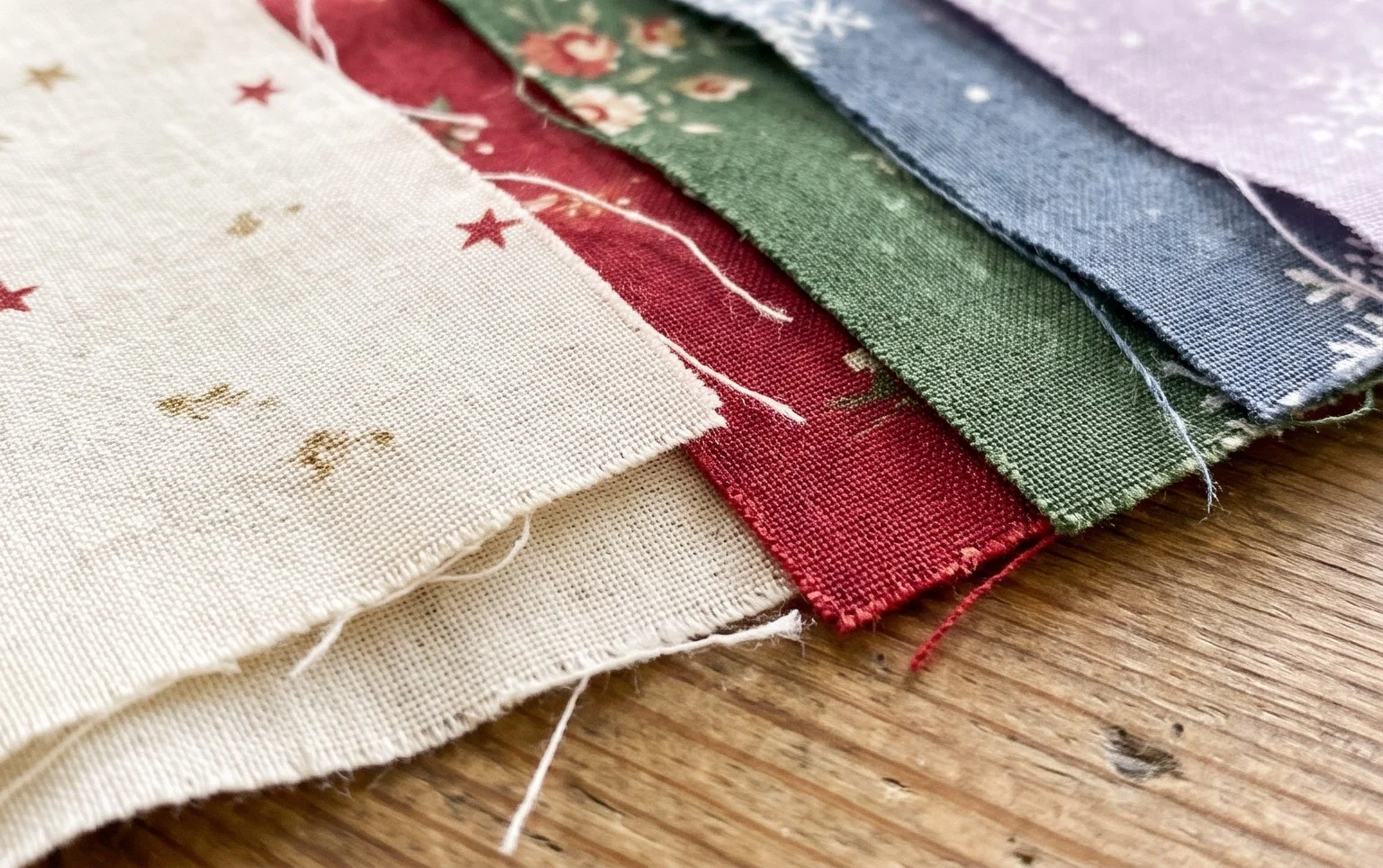
Once the last crochet sections are joined, you’ll have a snowflake-patterned quilt with a soft texture and a design that feels right at home on a bed or sofa. For a simple variation, work the motifs in one main color and use a contrasting shade for the joining stitches. Take a photo of your finished piece and share it on Pinterest or your favorite social media account; seeing how different color choices change the look is part of the fun. If you enjoyed working through this project, explore more free crochet patterns on the blog for your next relaxed evening make.