Easy Dog Amigurumi: Free Crochet Pattern for Beginners
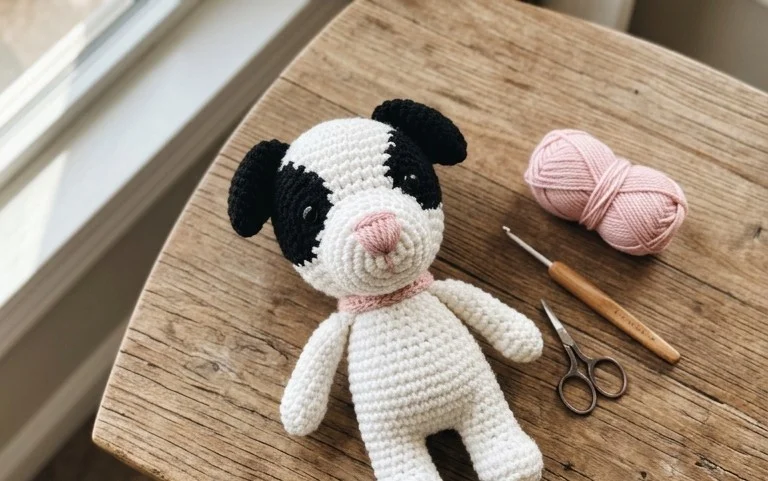
Soft to the touch and small enough to fit in the palm of your hand, these stuffed puppies become instant favorites for anyone who appreciates handmade charm. Creating these creatures feels like bringing a new friend to life, especially since the shaping happens entirely through simple increases and decreases. Beginners find the process satisfying because you work entirely in continuous spirals, which removes the frustration of visible joining seams. You will pick up the essential art of stuffing and shaping limbs, ensuring your pup sits upright on a desk or shelf. This specific project turns leftover yarn into a lasting gift for children or friends.
Why You’ll Love This Pattern
This beginner-friendly crochet coaster pattern provides a practical way to protect your furniture while practicing fundamental stitch techniques. The design relies on a continuous spiral, which removes the need for joining rounds and creates a seamless, professional finish. You can complete a single coaster in under thirty minutes, making it an ideal choice for last-minute handmade gifts or refreshing your home decor with a pop of color. The dense fabric structure ensures that water beads effectively on the surface rather than soaking through to your tabletops.
I managed to whip up a set of four in an afternoon using yarn from my stash, and they look much cleaner than the store-bought felt versions I used to use.
— Sarah, home crafter
Pattern Overview & Skill Level
- Skill Level: Beginner
- Approximate Time: 20–30 minutes per coaster
- Construction: Worked in the round starting with a magic ring and utilizing continuous spiral growth
- Finished Dimensions: Approximately 4 inches in diameter
Materials & Supplies Needed
- Yarn: Worsted weight (#4), 100% cotton, approximately 15 yards per coaster. Cotton is necessary for heat resistance and moisture absorption.
- Hook Size: 5.0 mm (US H-8)
- Notions: Tapestry needle for weaving in ends, one stitch marker to track the start of rounds, and scissors.
- Yarn Substitutions: Acrylic yarn is a common substitute, though it lacks the high absorbency of cotton and may melt if used with extremely hot beverages. Wool may shrink if exposed to high heat or aggressive washing.
Stitch Guide & Abbreviations (US Terms)
- MR: Magic Ring. A method of starting a round by working stitches into a sliding loop.
- ch: Chain.
- sc: Single crochet. Insert hook into stitch, yarn over, pull up a loop, yarn over, pull through two loops on hook.
- inc: Increase. Work 2 sc into the same stitch.
- sl st: Slip stitch. Insert hook into stitch, yarn over, pull through stitch and loop on hook.
- st(s): Stitch(es).
Step-by-Step Pattern Instructions
Coaster Body
- Rnd 1: Start with a MR and work 6 sc into the ring. Pull the tail tight to close the center. (6 sts)
- Rnd 2: Work 2 sc in each sc around. (12 sts)
- Rnd 3: *1 sc in next st, 2 sc in next st. Repeat from * 6 times. (18 sts)
- Rnd 4: *1 sc in each of next 2 sts, 2 sc in next st. Repeat from * 6 times. (24 sts)
- Rnd 5: *1 sc in each of next 3 sts, 2 sc in next st. Repeat from * 6 times. (30 sts)
- Rnd 6: *1 sc in each of next 4 sts, 2 sc in next st. Repeat from * 6 times. (36 sts)
Finishing
Once you reach the final round, slip stitch into the next stitch to smooth the edge of the circle. Fasten off your yarn, leaving a 4-inch tail. Use your tapestry needle to weave the end through the back loops of the final round to secure it, then trim any excess yarn. Repeat the process for as many coasters as you need.
Care & Washing Instructions
- Machine wash your cotton coasters on a gentle cycle in cool water to prevent color bleeding and fiber damage.
- Lay the coasters completely flat on a towel to air dry, ensuring they maintain their circular shape without stretching.
- If the coasters become distorted from heavy use, dampen them slightly and reshape by hand on a flat surface until they dry.
Pro Tips & Common Mistakes to Avoid
Maintain consistent tension throughout the project; if your stitches are too loose, the coaster will lose its structural integrity and allow condensation to seep through. Always place a stitch marker in the first stitch of every round to keep track of your progress, as working in a continuous spiral makes it easy to lose your place. When weaving in your ends, always work them into the back side of the coaster to ensure the front remains neat and professional. If you decide to adjust the size by adding more rounds, remember that each additional round will require significantly more yarn and will increase the total yardage needed for the project.
Frequently Asked Questions
Can I use a larger hook to make the coaster grow faster?
Using a larger hook will increase the size of the stitches and the overall diameter of the coaster. While it speeds up the process, it creates larger gaps between stitches, which reduces the effectiveness of the coaster in catching drips.
Is it okay to sell coasters made from this pattern?
You are welcome to sell finished items produced from this pattern. I ask that you credit the designer and use your own photographs when listing items for sale online.
How do I prevent the coaster from curling at the edges?
Curling usually happens if your tension is too tight or if you are skipping the increase stitches. If you notice curling, try using a slightly larger hook or ensure you are completing every increase as instructed in the round growth.
Can I substitute the cotton yarn for a different material?
You can use other fibers, but cotton is the best choice for coasters because it handles moisture well and does not easily lose its shape when wet. Synthetic fibers like polyester are durable but do not absorb water, causing it to pool on the surface.
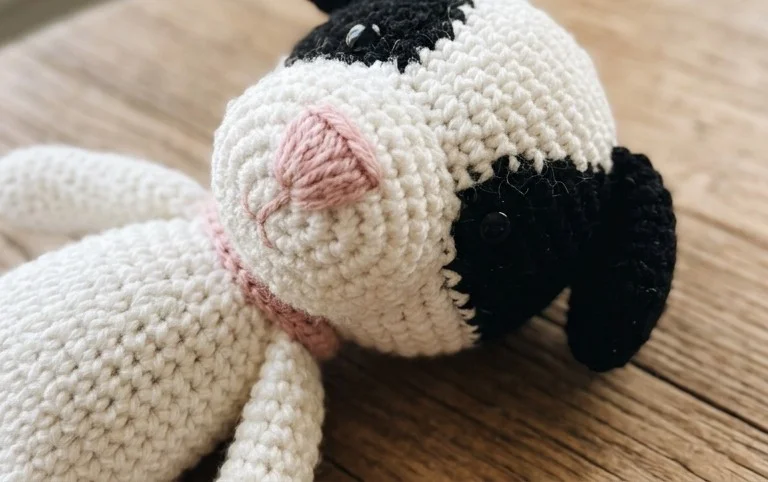
Holding your finished crochet puppy reveals a firm texture that keeps its shape well after hours of play or display. You might consider using a chunky chenille yarn instead of standard cotton to create a larger, huggable plush toy for a young child. Once you attach the final safety eye or stitch the nose, take a moment to snap a clear photo of your creation and share it with your community online. Finding more free patterns for your next afternoon project is always an option on our main blog feed.